
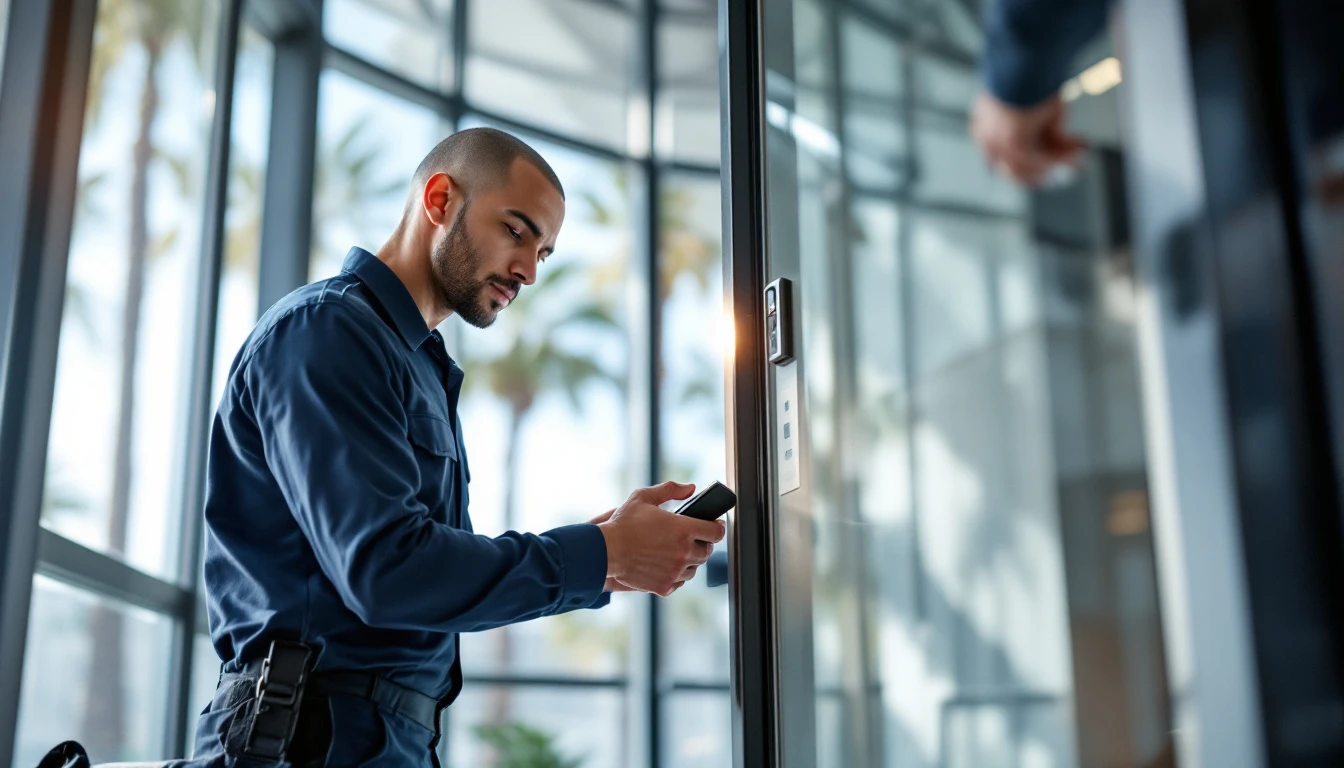
Licensed · Insured · Local — Serving All of LA County
Access Control Installation & Repair in Los Angeles
Key fob & key card entry, intercoms, buzzer systems, magnetic locks and gate access control — designed, installed and serviced by our own technicians across every city in Los Angeles County. Free written quotes. Same-day service available.
Open Sun–Thu 6:30 AM–11:30 PM · Fri 6:30 AM–4 PM
What We Install, Repair & Maintain
One local team for every layer of your entry system — hardware, wiring, software and support.
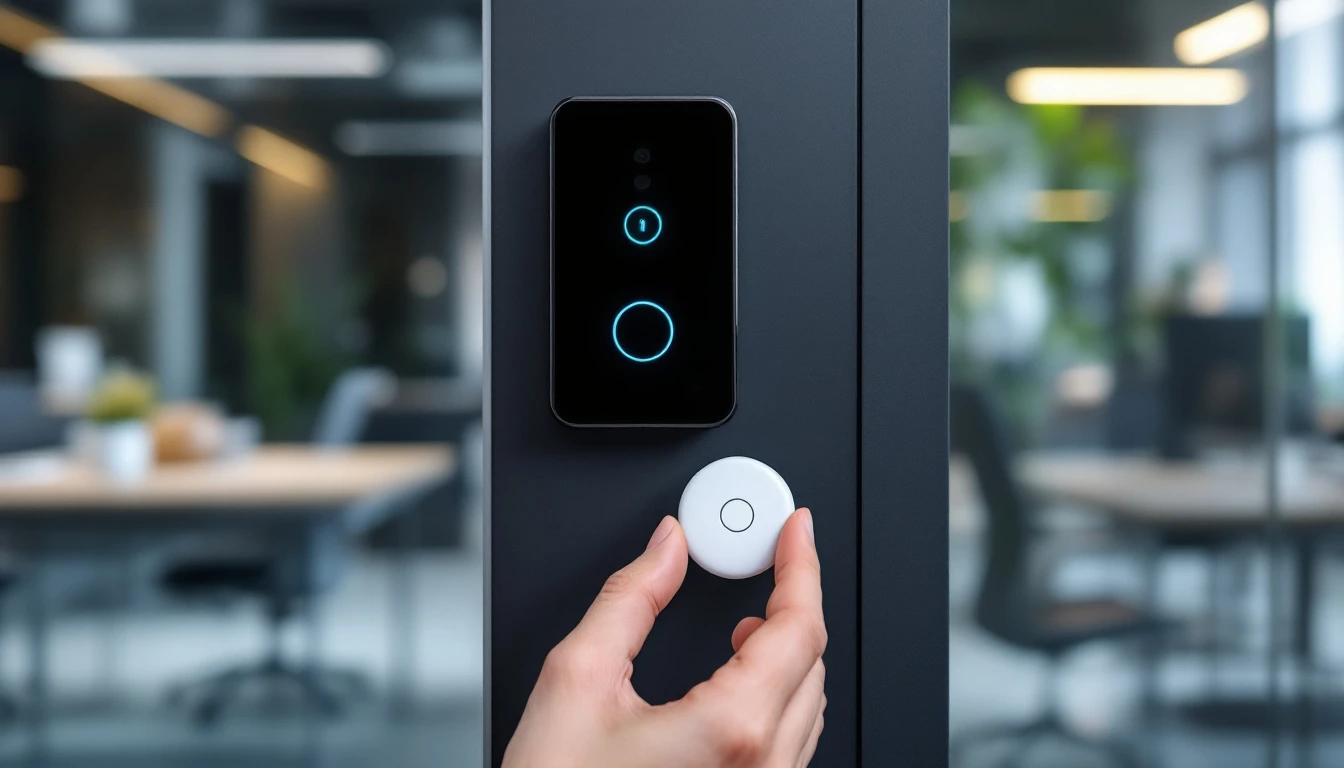
Access Control Systems
Key fob, key card, keypad, mobile and cloud-based door access systems designed, installed and serviced for Los Angeles County properties.
13 services →
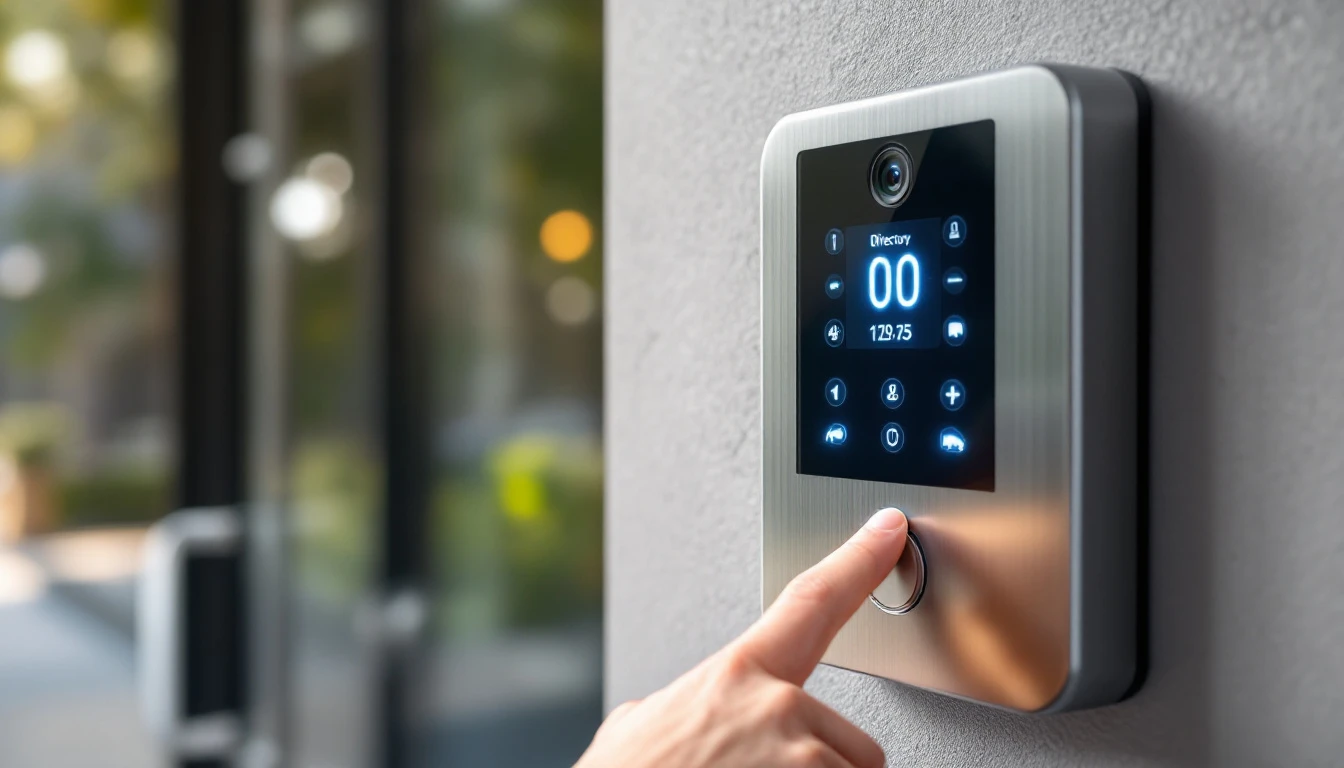
Intercom Systems
Video intercoms, apartment intercoms, telephone entry and gate intercom systems installed and repaired across Los Angeles.
5 services →
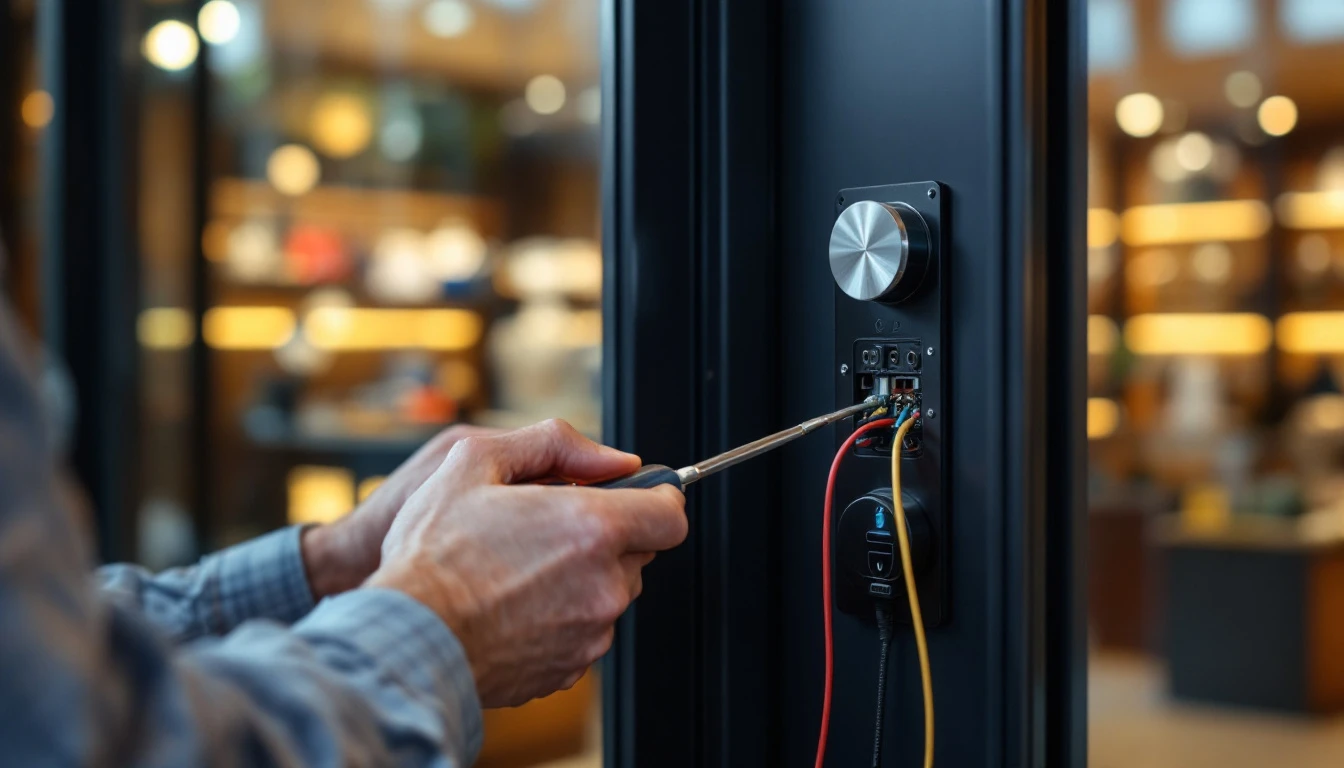
Buzzer Systems
Door buzzer and buzzer entry systems installed, repaired and replaced for apartments, offices and storefronts.
5 services →
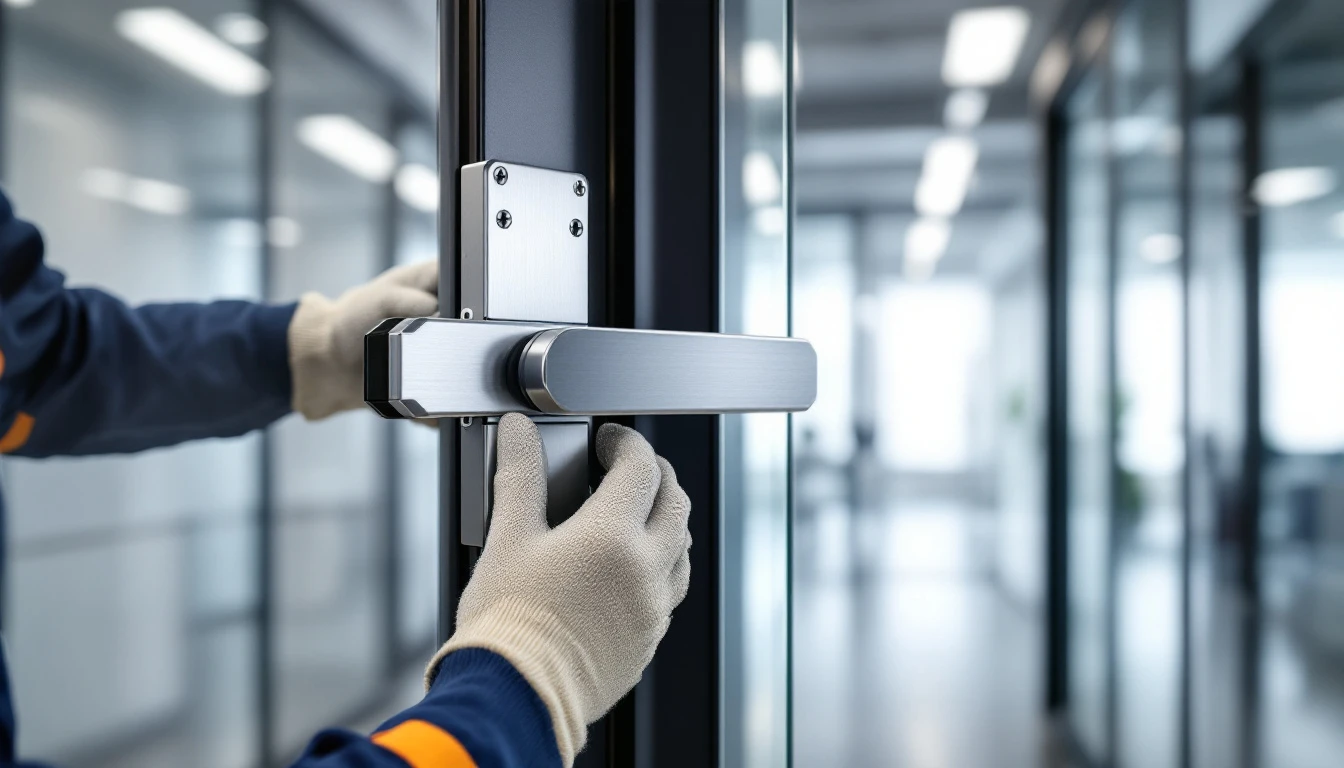
Magnetic Locks & Electric Strikes
Maglocks, electric strikes and electrified door hardware installed, repaired and replaced on commercial doors and gates.
6 services →
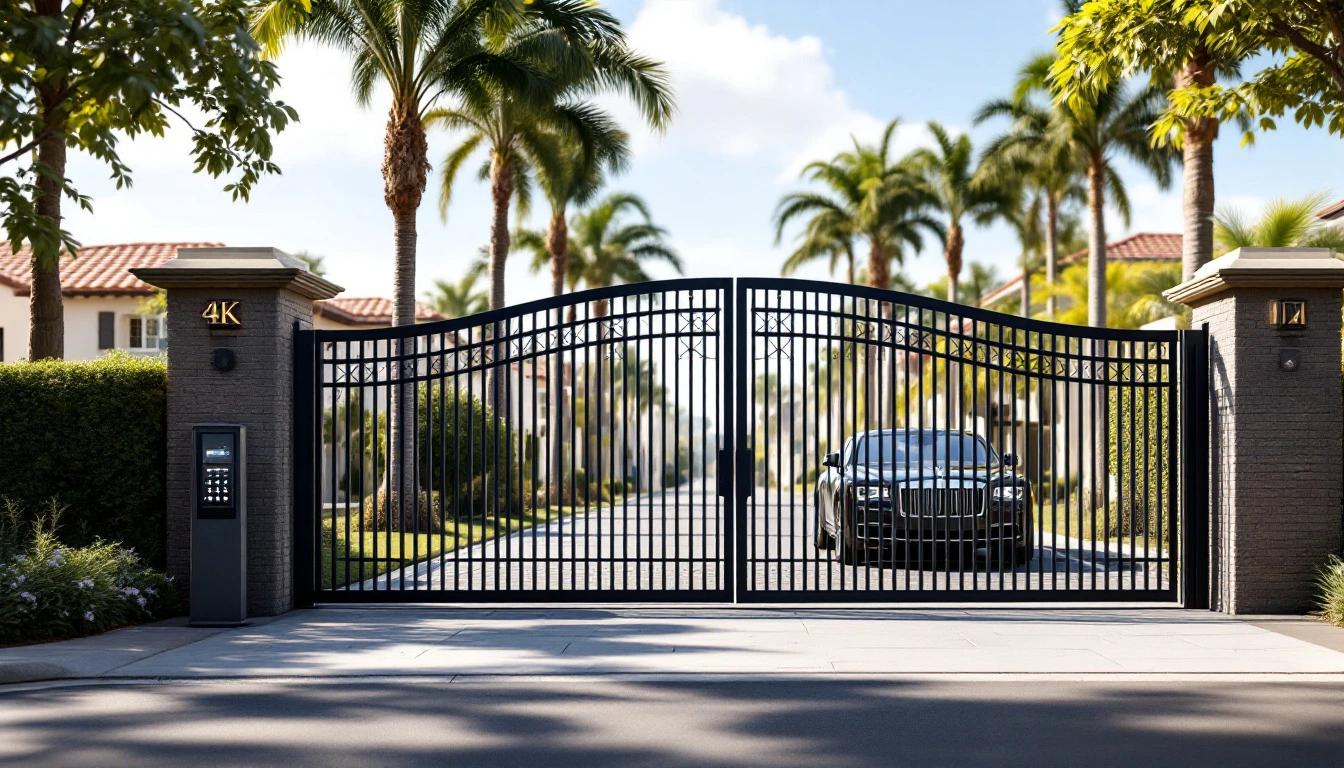
Gate & Parking Access Control
Gate entry systems, gate keypads, vehicle readers and parking access control for gated communities, lots and garages.
4 services →
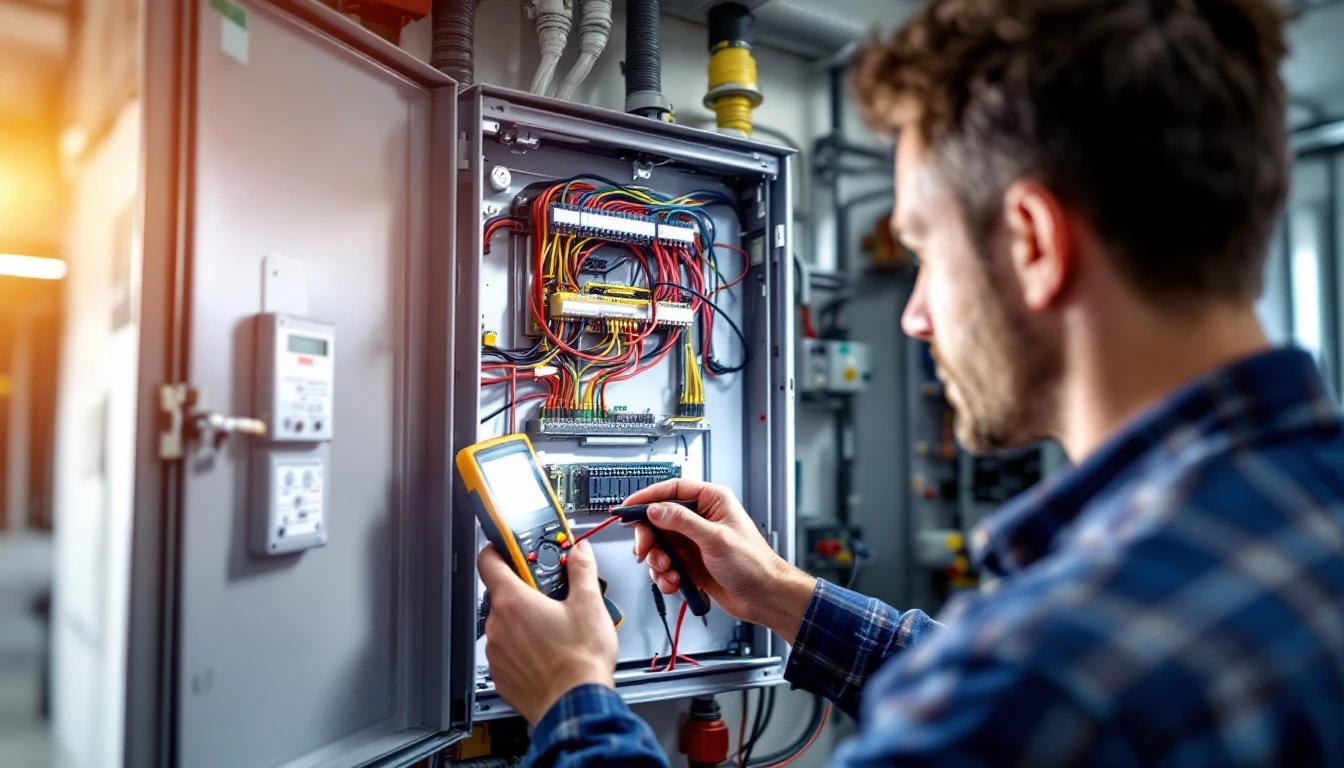
Repair, Maintenance & Upgrades
Troubleshooting, repair, preventive maintenance, retrofits and modernization for every brand of access control equipment.
8 services →
Same-Day Service
Fast dispatch across LA County, seven days of long hours.
Written Flat Quotes
The number you approve is the number you pay.
Our Own Technicians
Employees, not subcontractors — accountable start to finish.
Warrantied Work
Labor and manufacturer warranties on every installation.
Popular Services
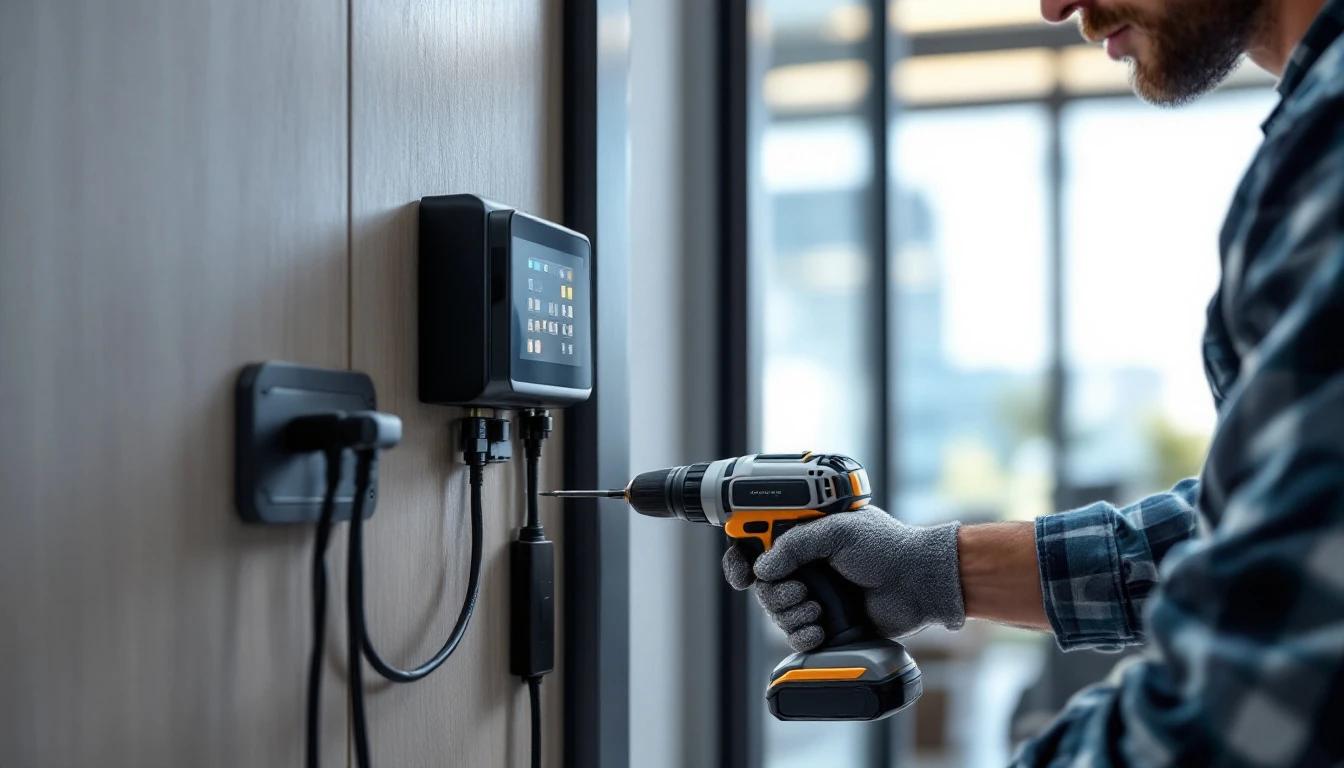
Access Control Installation
Full-service design and installation of electronic access control for single doors through multi-building campuses.
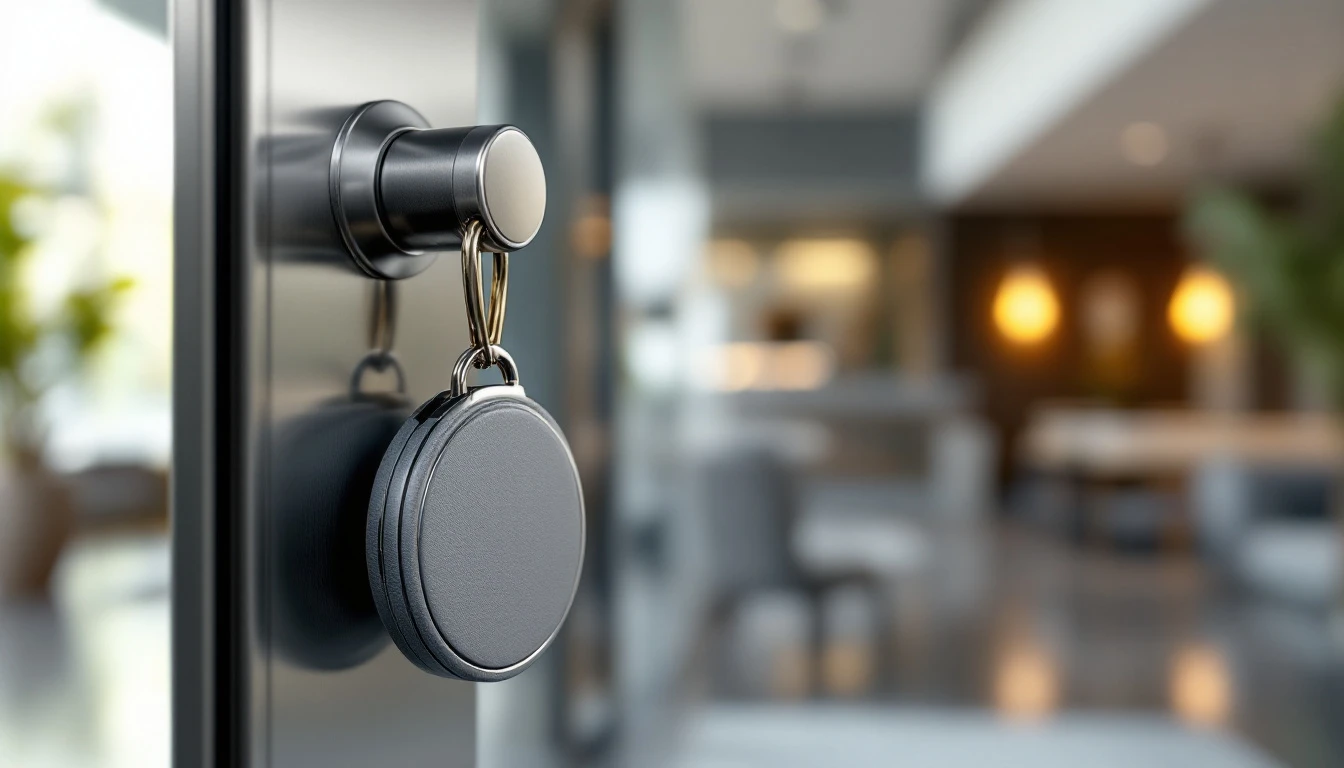
Key Fob Entry Systems
Key fob door entry systems for buildings, offices and apartments — installation, programming and repair.
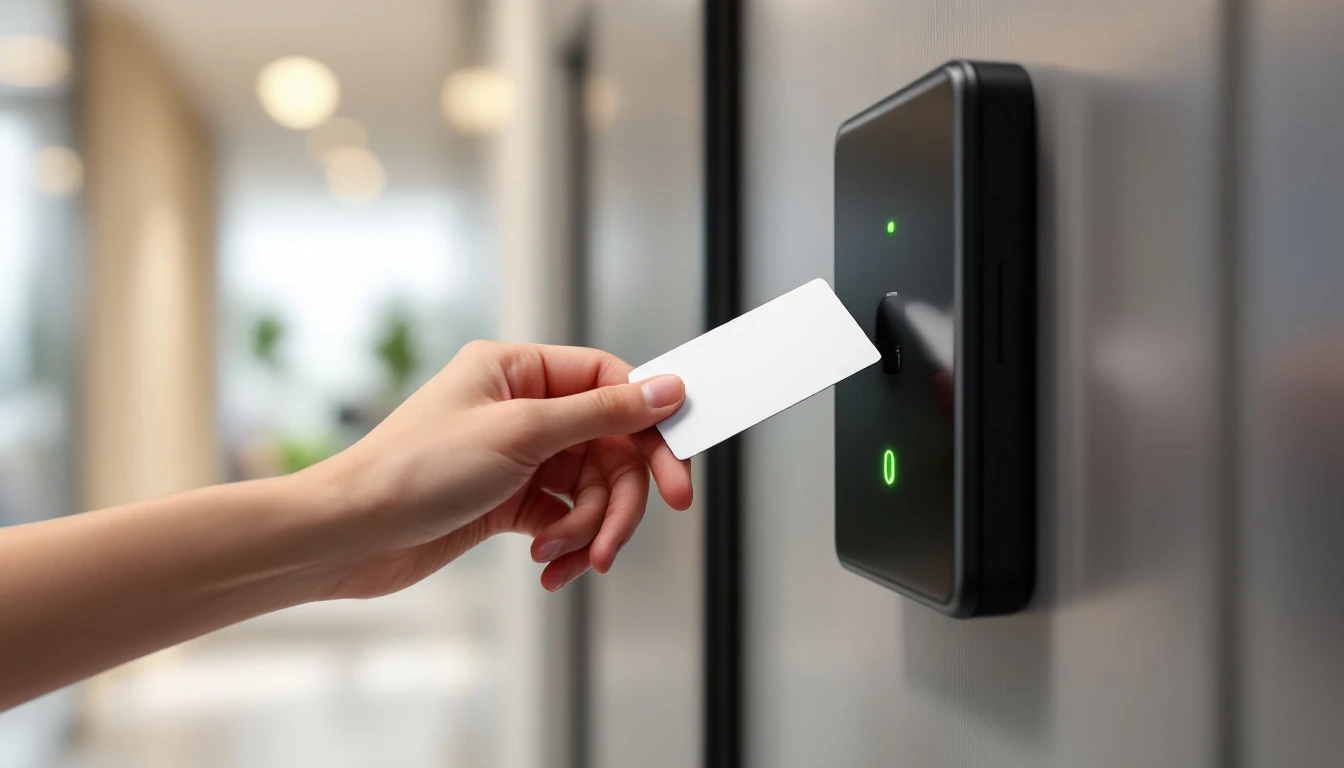
Key Card Entry Systems
Card access systems with proximity, smart card and badge credentials, installed and programmed end to end.
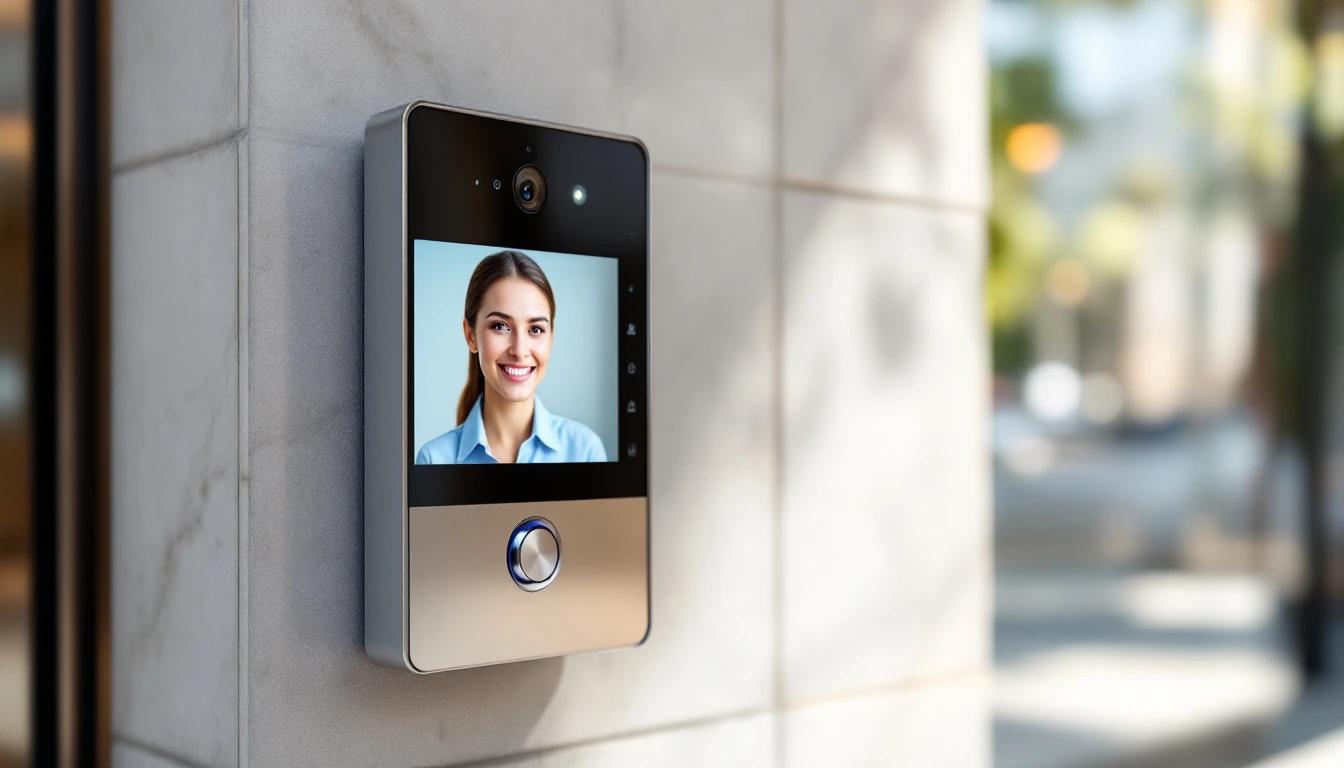
Video Intercom Installation
See and speak with visitors before unlocking — video entry systems with mobile app answering.
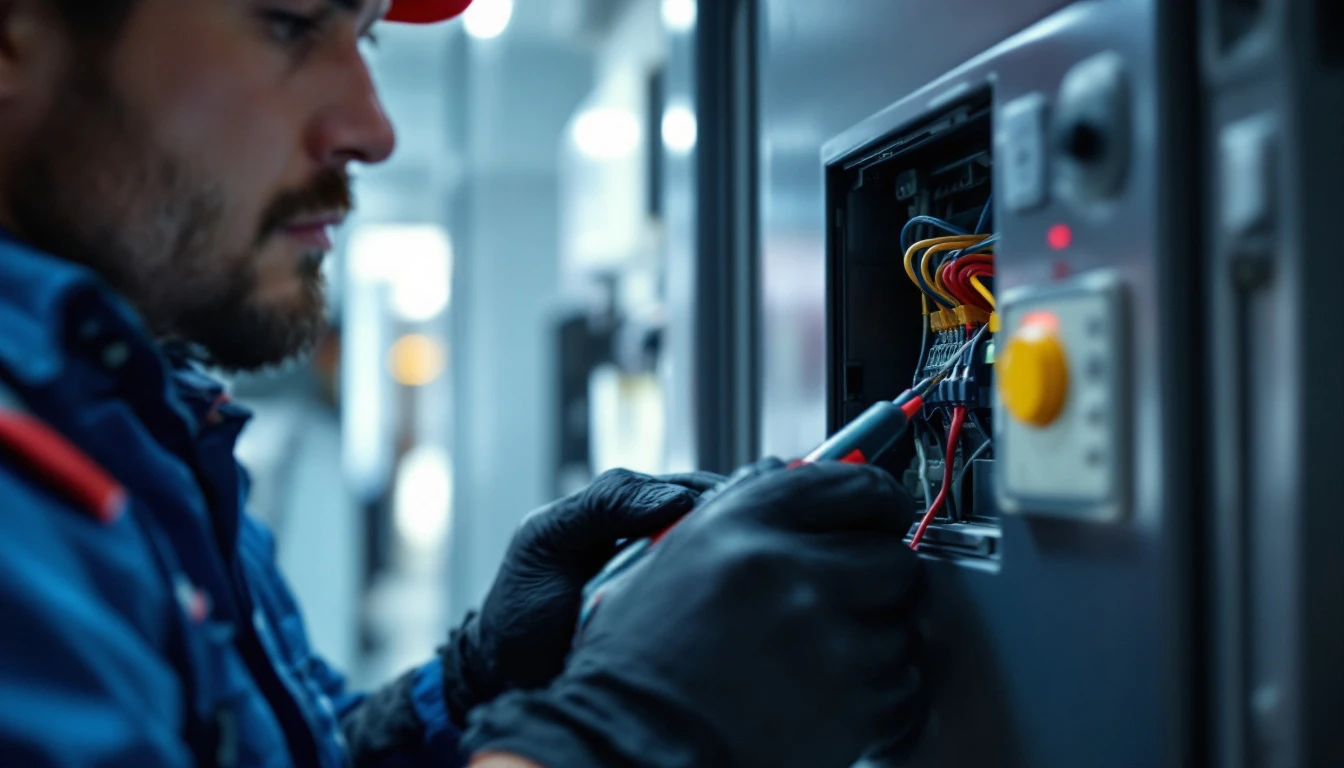
Buzzer System Repair
Buzzer not buzzing, ringing without releasing, or dead altogether — diagnosed and repaired fast.
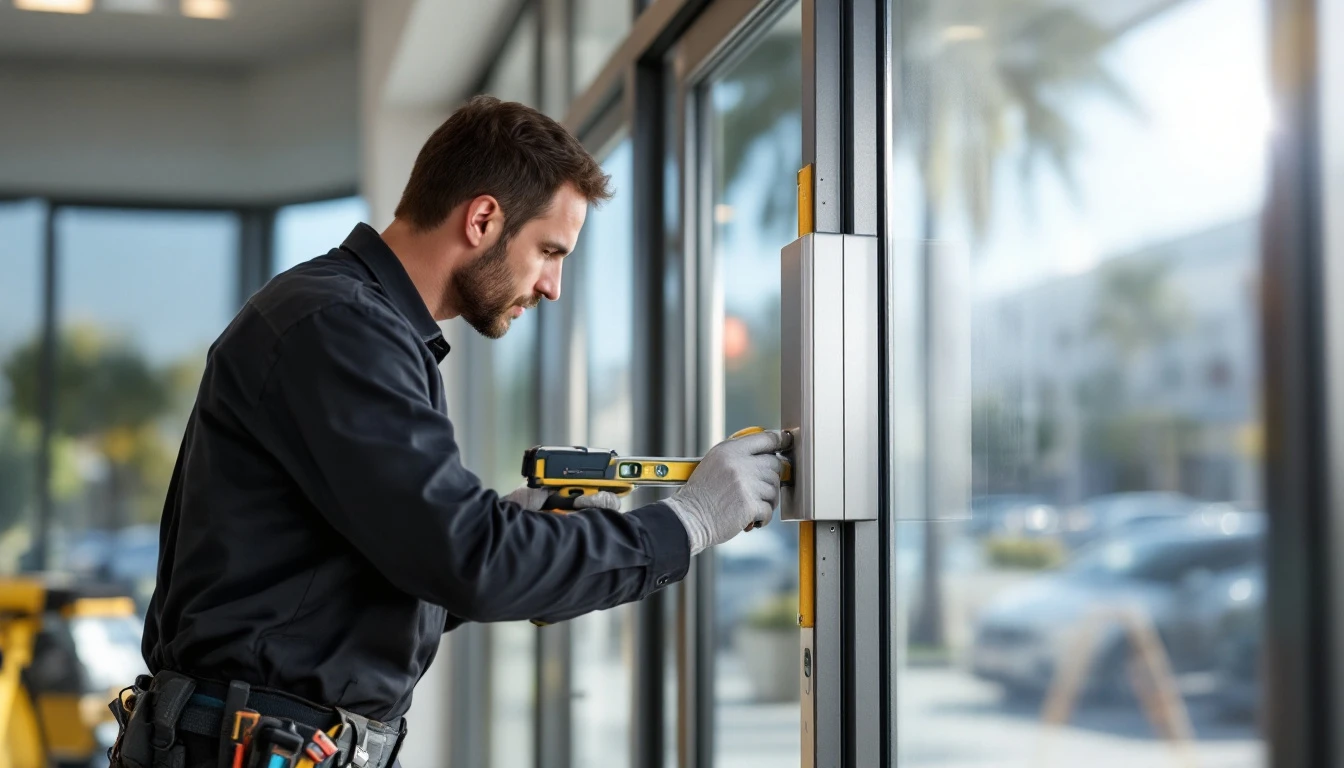
Magnetic Lock Installation
Maglocks from 600 to 1,500 lbs holding force installed on storefront, office, glass and gate applications.
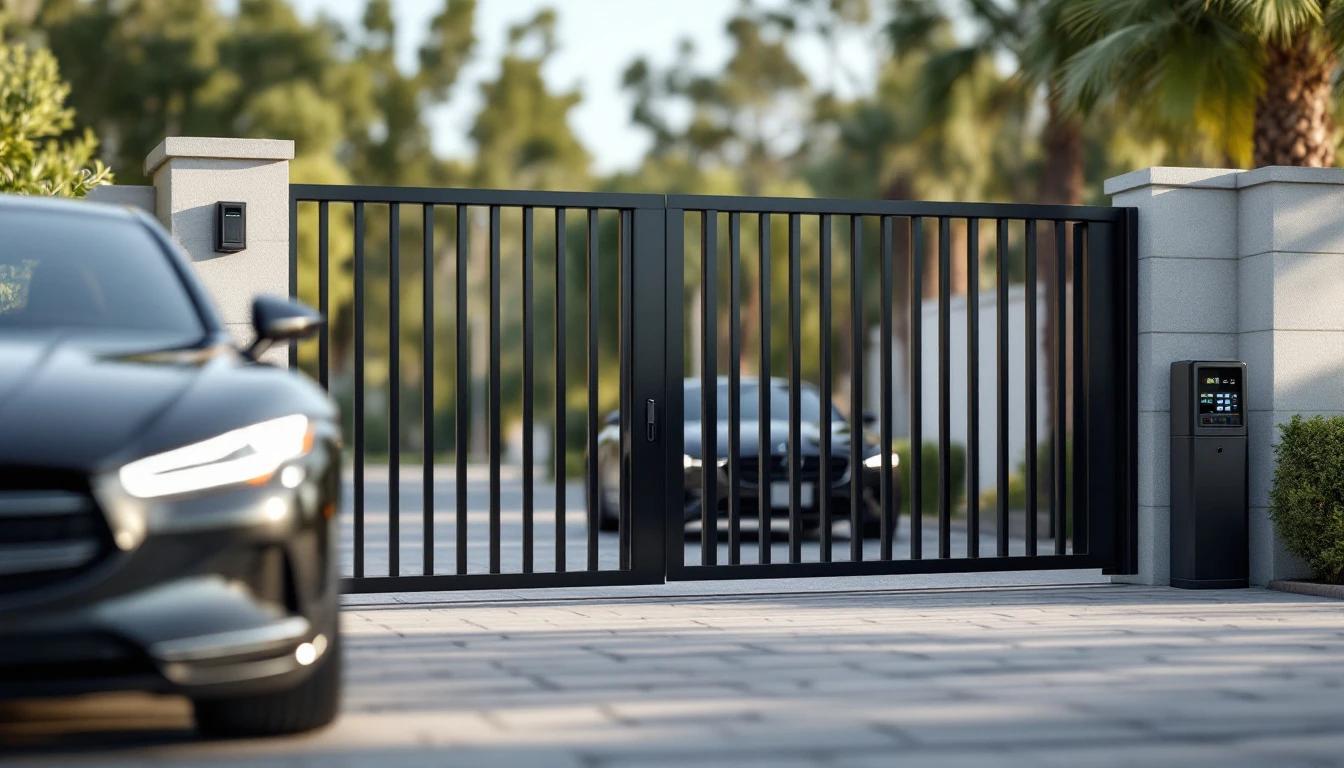
Gate Access Control
Entry systems for driveway, pedestrian and community gates — keypads, fobs, phones and vehicle readers.
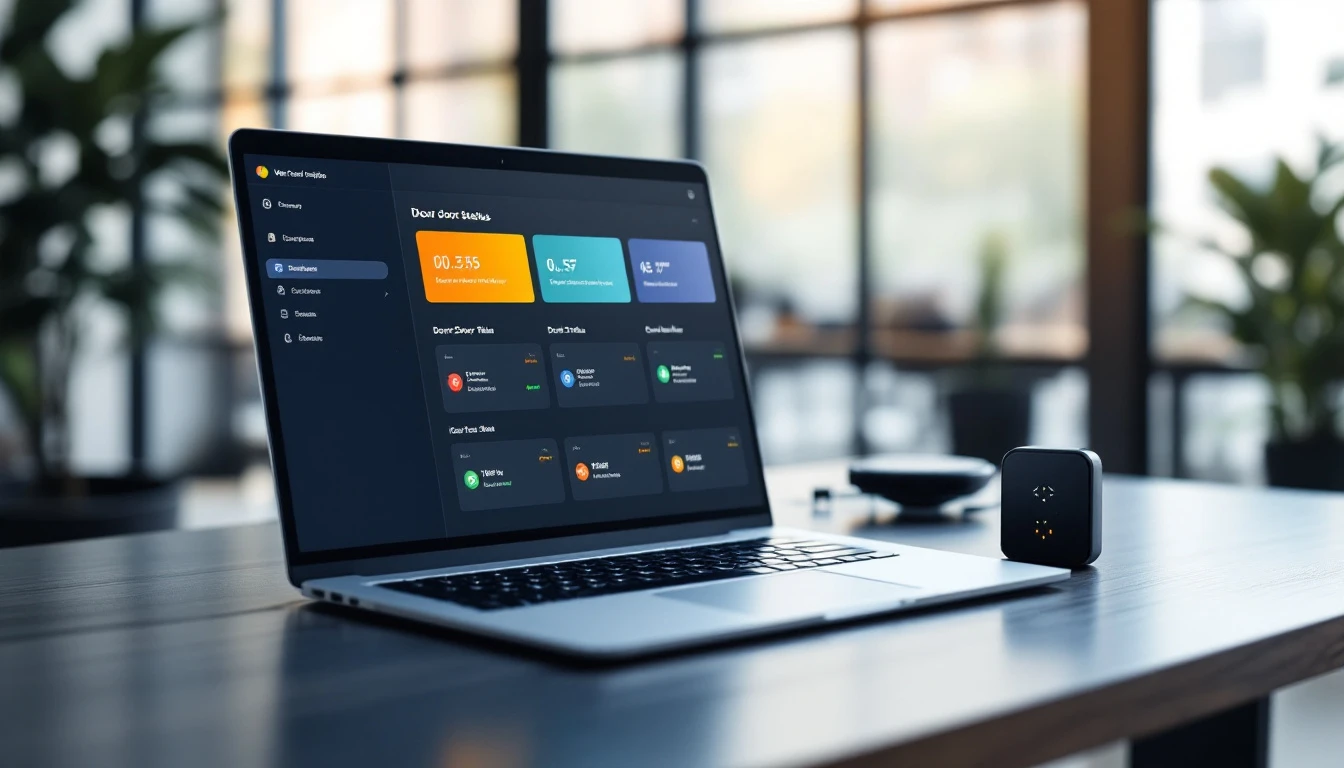
Cloud-Based Access Control
Cloud-managed access control you administer from a browser — remote unlock, instant credential changes, automatic updates.
Serving Every City in Los Angeles County
190+ cities and neighborhoods with dedicated local pages, daily service routes and fast response.
San Fernando Valley
Conejo Valley
San Gabriel Valley
Gateway Cities
Catalina Island
Westside
South Bay
Antelope Valley
Central Los Angeles
Santa Clarita Valley
Northeast Los Angeles
Harbor Area
Few things disrupt a property faster than entry hardware you can't trust. So Los Angeles property owners rely on Los Angeles Access Control for access control — same-week scheduling, transparent quotes, and craftsmanship that holds up.
Estimates are free, you approve a written number before any work starts, and our workmanship is warrantied. Call (888) 917-9811 — we're available Sunday–Thursday 6:30 AM–11:30 PM and Friday 6:30 AM–4 PM.
Signs it's time for access control
People prop doors to avoid fumbling with keys — convenience failures become security failures.
Repairs on the old system are becoming routine — past a point, stabilizing legacy hardware costs more than replacing it.
Nobody can say how many keys exist for your doors — every unknown copy is an open question about who can walk in.
An auditor wants access records you don't have — documented access control is becoming table stakes in many industries.
An incident happened and there's no record of who came in — audit trails are the first thing investigators and insurers ask for.
Any one of these justifies a conversation; stacking several means the risk is live. The call is free: (888) 917-9811.
Code compliance, egress and safety
An installer who doesn't ask about your fire alarm panel is a red flag. Maglocks in particular are tightly regulated: sensor release, auxiliary push buttons, fire-alarm disconnects and time delays per the California Building Code. Our installations pass inspection because they're designed for inspection — and we pull permits where required.
Documentation is part of compliance: as-built drawings, door schedules, release mechanisms and test records are delivered and kept on file, so fire marshals, insurers and future contractors get answers in minutes.
How a access control project works
1. Assessment. A technician walks the property with you, recording door and frame construction, existing wiring, power availability and network paths. This produces an itemized proposal — with real model numbers.
2. Engineering. We select specific hardware per door, size power supplies with battery backup, plan controller and network locations, and confirm fire and egress code compliance before anything is ordered.
3. Installation. Our crew — never day labor — pull and label every cable, fit hardware precisely, and work around your business hours with minimal disruption.
4. Configuration. Users, schedules and access levels are configured, auto-lock and unlock schedules set, alerts configured, and integrations (video, intercom, elevator) connected.
5. Commissioning. Each opening is tested under power loss, egress and forced-entry conditions, and your administrators are trained hands-on — with documentation left on site and on file with us.
6. Ongoing support. Your system's documentation lives in our service records, so any tech we send already knows your site. Preventive maintenance plans are offered but never required.
The issues that bring customers to us
Fobs that stop opening doors. A properly engineered system eliminates this entirely — usually within one scheduled visit.
Out-of-state vendors with no local techs. Correct design removes this risk — often faster than owners expect.
One shared code everyone knows. Correct design removes this risk — usually in a single service visit.
Lost cards that can't be deactivated. Correct design removes this risk — often in a single service visit.
These calls rarely wait well: an unsecured door invites loss, and a stuck one blocks business. Fast scheduling is the norm at (888) 917-9811.
System choices, compared honestly
Standalone hardware sits at the budget end: right for very small scopes, though it leaves you without real records or remote control.
On-premise panels remain the right call where subscriptions are unwelcome or the network can't reach the cloud — a configuration we install regularly — with the caveat that software upkeep falls on you or a service plan.
Cloud systems now dominate new installs: remote unlock, instant credential changes and automatic updates with no server to babysit. The subscription is the trade, and for most owners it replaces costs they were already paying in service calls.
Not sure where you land? That's what the free survey answers — we'll recommend the cheapest option that actually solves your problem, with reasoning you can hold us to. (888) 917-9811.
One service, many names: what people search for
Whether you found us searching "gate intercom installation", "key card entry system", "video intercom installation" or something close — the service behind the words is identical: a licensed technician, the right hardware, and a system commissioned to code across Los Angeles.
Questions that ride along with this one include office access control, intercom installation, commercial access control, telephone entry system installation and key fob access control. Raise them at the survey — scoping them together is where the savings hide.
What makes us different
Backed work. Every installation carries labor and parts warranties, honored without arguments.
Transparent pricing. Prices are quoted in writing before work starts. No surprise line items.
No vendor lock-in. Open standards mean you own your system — though most customers never want anyone else.
Long hours, real answers. Available Sunday–Thursday 6:30 AM–11:30 PM and Friday to 4 PM. Entry failures don't respect business hours, so neither do we.
Local and accountable. Based at 189 The Grove Drive in Los Angeles, with techs living and working across the county. Service calls get a truck, not a ticket number.
Specialists, not generalists. Entry systems are our entire business — not a line item for a general electrician.
Platforms, readers and credentials
Credential technology matters more than most owners realize: legacy 125 kHz prox cards can be cloned at a mall kiosk, while 13.56 MHz smart credentials and mobile credentials use encryption. We'll tell you plainly which you have and what it would take to upgrade.
On the wire side, we're moving customers from Wiegand to OSDP — an encrypted, supervised protocol that closes Wiegand's known holes. Most modern readers support it already; ask us whether your wiring qualifies.
Terms you'll hear during the project
OSDP — an encrypted, supervised successor to Wiegand that resists skimming and tamper.
Fail-safe vs. fail-secure — the lock's behavior on power loss: fail-safe unlocks (maglocks), fail-secure stays locked (typical for perimeter security). Each opening gets the right one per code and risk.
Door position switch (DPS) — a sensor reporting whether the door is physically open or closed, enabling held-open and forced-door alarms.
Access level — which doors, at which times, for which users. Most messy systems are really access-level design failures.
Request-to-exit (REX) — the sensor or button that releases a locked door from inside so exit never requires a credential.
Credential — whatever unlocks the door: fob, badge, code, smartphone or biometric. Encryption level varies wildly between credential generations.
Budgeting for access control
The honest answer: it depends on the opening count and conditions — but it's knowable fast. The main drivers are: how many openings, door and frame construction, wiring distance and pathway difficulty, credential technology, and the locking hardware each opening needs.
As a ballpark: one standalone door is the least expensive configuration; multi-door networked systems add per-door cost with shared head-end; cloud systems trade some hardware cost for subscription; and gates, intercoms and integrations are priced per device. A free site survey produces an exact written quote — book at (888) 917-9811.
What "secure" actually requires
Attackers go around strong points, not through them: a maglock on a door whose glass sidelite opens with a rock, or a secured front door beside a propped loading dock, is theater. Our surveys look at the building the way an intruder would, so budget goes to actual risk, not visible risk.
Think about failure modes before they happen: power loss, dead internet, alarm activation — each scenario has a designed response, and we test them before handoff, not during the real thing.
Mistakes to avoid when buying access control
Security that traps people. A maglock without compliant release mechanisms is a violation and a liability. Compliance has to be in the design, not patched after.
Undersized power. Behind most "haunted" systems is a starved power supply — proper sizing with battery backup prevents years of mystery faults.
No documentation. When the installer vanishes, undocumented systems become hostage situations. Demand as-builts and admin credentials in writing.
Proprietary lock-in. Some vendors install hardware only they can service. Always ask: "who else can work on this?"
Leftover legacy credentials. Takeovers that don't purge unknown credentials inherit every old risk. A credential audit belongs in every takeover.
Scheduling, emergencies and follow-through
Door and gate failures ignore business hours, so our dispatch hours are long — Sunday–Thursday 6:30 AM to 11:30 PM and Friday to 4 PM — and same-day slots are held for genuine emergencies: a storefront that won't lock, a gate stuck open, a lobby door trapping deliveries. Describe the symptom when you call and you'll get an honest triage — if it can safely wait for a standard slot, we'll tell you.
Follow-through is where contractors are measured: we schedule warranty work with the same urgency as paid work, and your site records mean any of our techs can pick up where the last left off.
Typical applications
Law firms — one of our most frequent project types, with reference sites we're happy to describe.
Office suites — one of our most frequent project types, with proven hardware packages ready to quote.
Corporate offices — where the system is tuned to the way the space is actually used, down to schedules and alert rules.
New construction — for which the system is tuned to traffic patterns, user counts and liability exposure, down to schedules and alert rules.
Have an unusual building? Odds are we've equipped one like it — from marinas to machine shops. Call (888) 917-9811 for a straight answer.
Inside a professional access control project
Every project includes the full stack of hardware: illuminated metal keypads, proximity card readers, door controllers, as well as door schedules and riser diagrams. We don't hand off half-finished systems — wiring is labeled, as-builts are delivered, and administrators are trained before we leave.
Each entry point receives hardware matched to its construction: fail-safe or fail-secure locking chosen per egress requirements, readers rated for the environment, and supervised power with backup batteries. That matching step is where cut-rate installs go wrong — ours are built to run for a decade.
Working with Los Angeles Access Control
The standard we hold ourselves to is plain: show up when promised, charge what was quoted, build what was designed, and answer the phone afterward. That's how a local company earns two decades of referrals across Los Angeles County.
Documentation is a deliverable here: as-built wiring notes, door schedules, programming records and admin credentials are handed over and kept on file. It's the difference between a five-minute answer and an exploratory service call later.
On warranties: hardware carries manufacturer coverage and our workmanship carries ours, honored by the same local team that installed the system. If something we built fails within warranty, we fix it — that's the whole policy.
Frequently Asked Questions
What areas does Los Angeles Access Control serve?
All of Los Angeles County — every city and neighborhood from the San Fernando Valley and the Westside to the South Bay, San Gabriel Valley, Gateway Cities and Antelope Valley. Call (888) 917-9811 to confirm same-day availability in your area.
Do you offer free estimates?
Yes. Site surveys and written quotes are free, with no obligation. The price we quote in writing is the price you pay.
What types of access control systems do you install?
Key fob and key card systems, keypads, mobile and cloud-based access control, biometric readers, video intercoms, telephone entry, buzzer systems, magnetic locks, electric strikes, and gate and parking access control — for commercial, multifamily and residential properties.
Can you repair a system that another company installed?
In almost all cases, yes. We take over, repair and modernize legacy and orphaned systems on every major platform, including HID, Brivo, Avigilon Alta (Openpath), DoorKing, ButterflyMX and Axis.
What are your business hours?
Sunday through Thursday 6:30 AM to 11:30 PM, Friday 6:30 AM to 4:00 PM, closed Saturday. Calls are answered by a real local dispatcher.
Are you licensed and insured?
Yes — Los Angeles Access Control is a licensed, insured low-voltage contractor, and we pull permits where your city requires them.
What happens when an employee or tenant leaves?
Their credential is deactivated in seconds — no rekeying, no lock changes, no cost. That single capability usually pays for the system.
What happens to my system if your company weren't around?
A fair question for any vendor: open platforms, delivered documentation and your own admin access mean you're never stranded. Lock-in isn't our retention strategy.
Can you service a system another company installed?
In most cases, yes. We regularly take over orphaned and legacy systems — stabilizing them, recovering admin access and bringing documentation up to date so you're never stranded again.
Is access control disruptive to my business while it's installed?
Minimally. We stage work so doors stay usable, and we schedule disruptive steps off-hours, and leave the site clean daily. Occupied buildings are our normal condition.
Do you offer maintenance plans?
Yes — scheduled inspections, battery replacement, firmware updates and priority response, without long lock-in contracts. Plans are optional — the install is built to last regardless.
Can you integrate with cameras, alarms or my property software?
Yes — door events paired with video clips, alarm tie-ins, elevator control and property-management integrations are routine for us. We'll inventory what you have and tell you exactly what can talk to what.
Get a Free Quote Today
Licensed, insured and local. Fast scheduling across Los Angeles County — written quotes, warrantied work.
Call (888) 917-9811Sun–Thu 6:30 AM–11:30 PM · Fri 6:30 AM–4 PM